
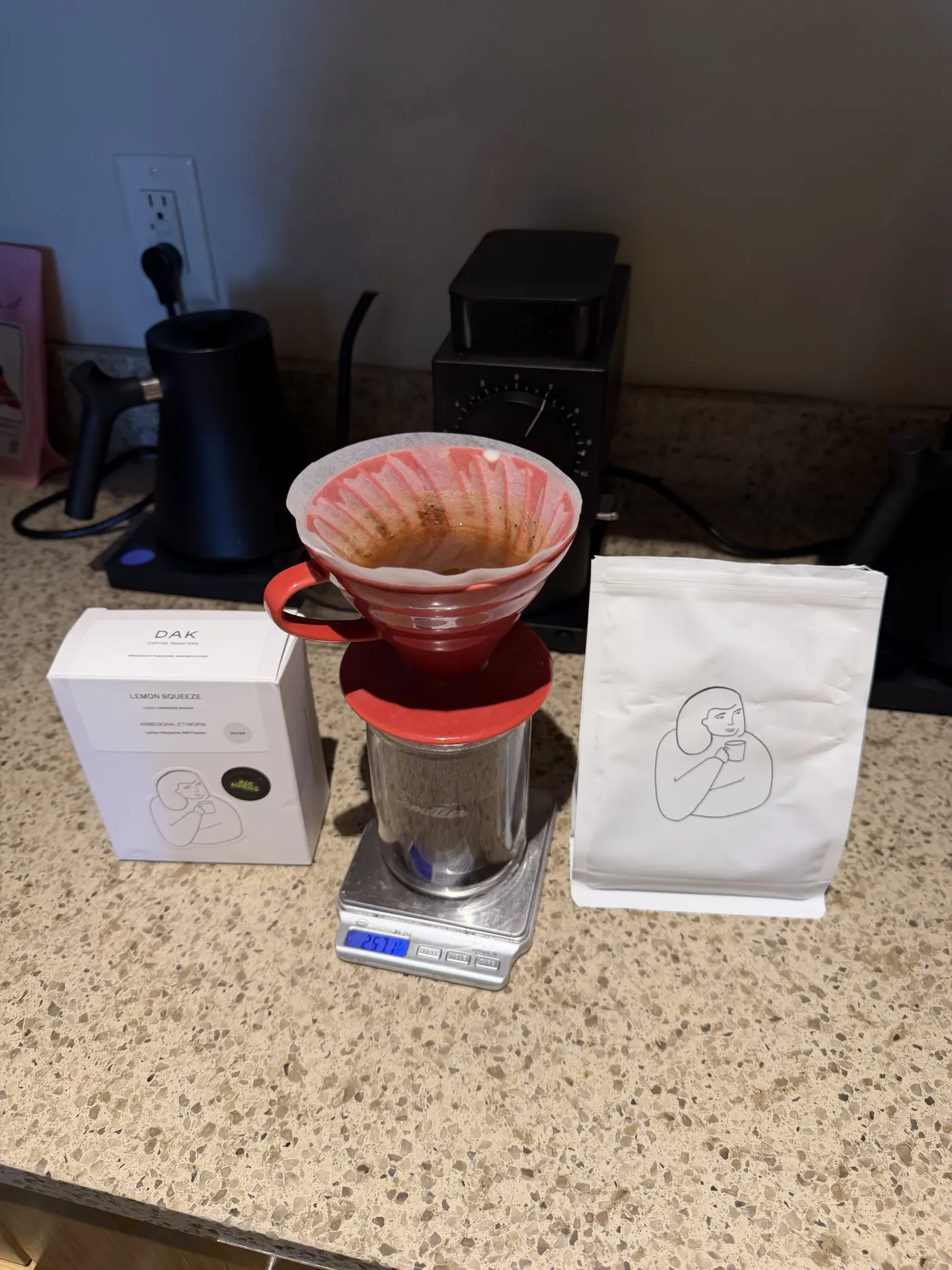
A washed Ethiopian heirloom from the Rumudamo washing station in Arbegona, Sidama, roasted light by Amsterdam's DAK and picked up through Airworks in Seattle. Lemon-forward and clean on the V60, and my first DAK bag.
In the cup
This is my first bag from DAK, a roaster I went looking for after reading up on Nordic-style coffee for BeanBench. Airworks, the Seattle subscription that sources small international roasters, ran a DAK drop, and I took the washed Ethiopian.
Lemon leads, as the name promises. Brewed hot and ground fine, the acidity reads as sweet citrus rather than sour, nectarine fills in as the cup cools, and there’s a soft floral note on the finish. The body is light and the cup is clean, which is what a washed Ethiopian from this altitude should do. I logged it five stars and reached for it most mornings for a week.
The coffee
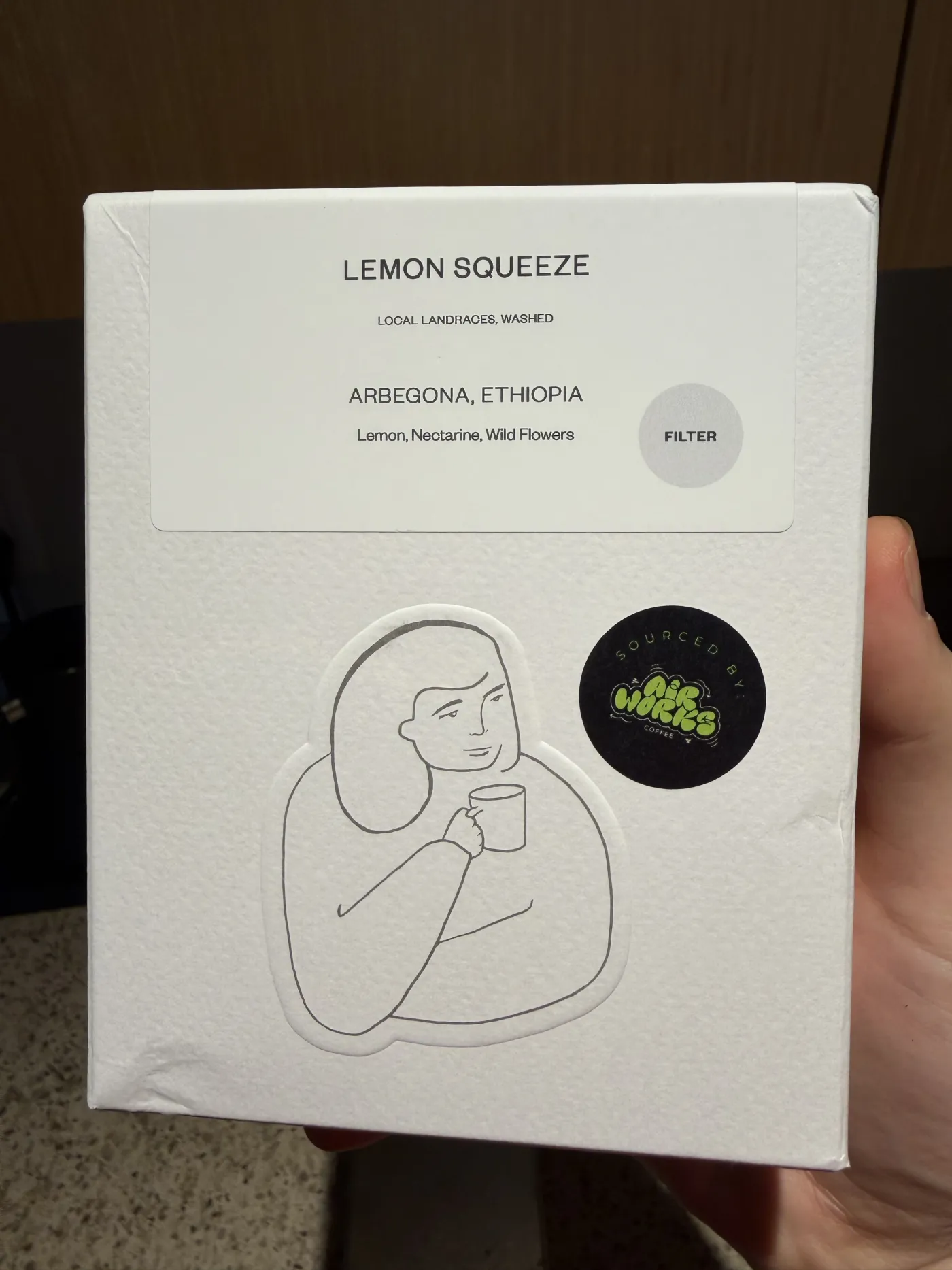
Lemon Squeeze comes from Arbegona, a district in Ethiopia’s Sidama zone, at about 2,300 meters. That is high even for Ethiopia, and the cool nights slow the cherries down as they ripen. Cherry from roughly 600 smallholders goes to the Rumudamo washing station, managed by Asefa Dukamo Korma, where it is processed together. The variety is listed as Ethiopian landraces, the local heirloom types that grow across the region rather than a single named cultivar.
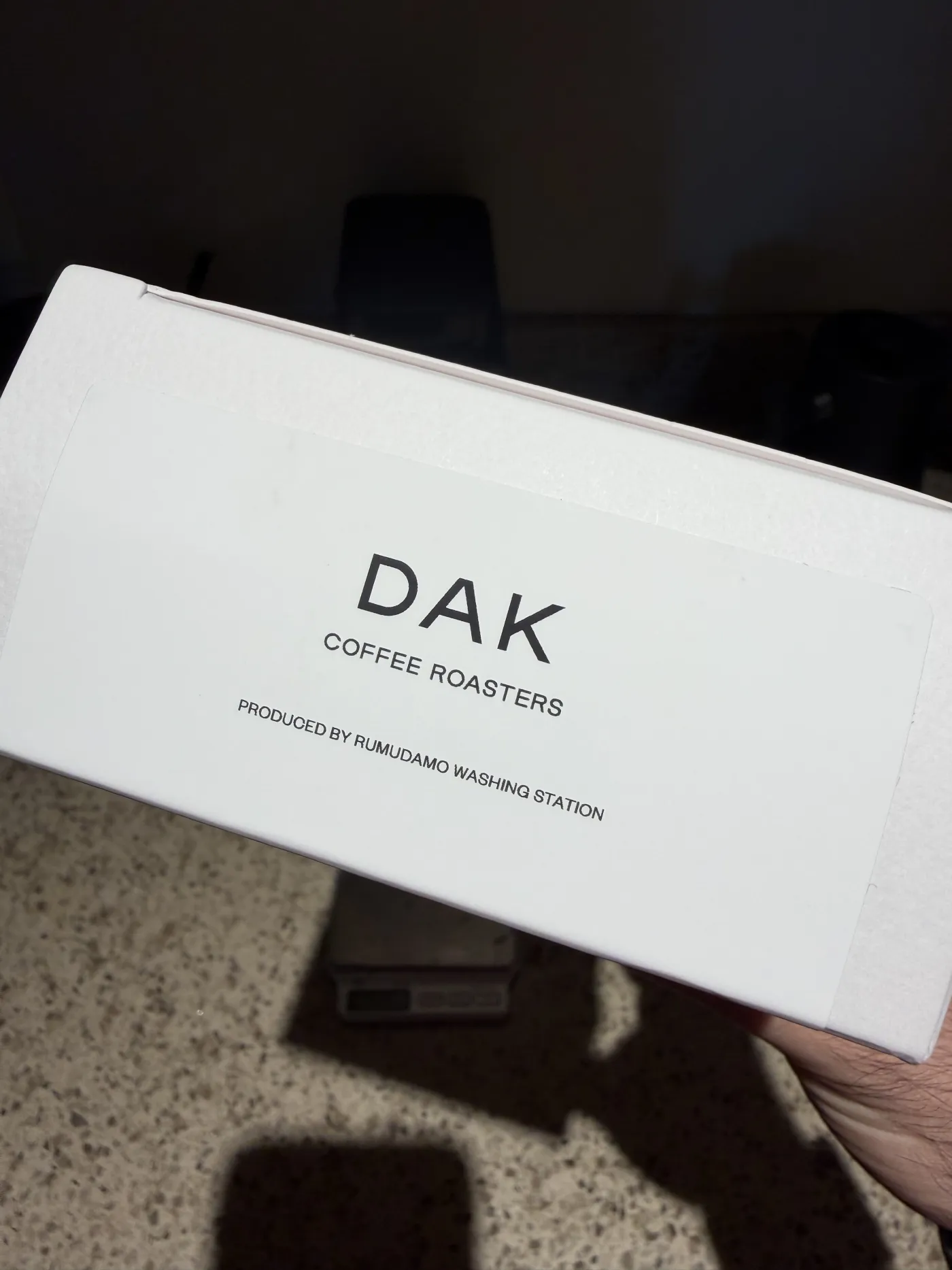
DAK roasts in Amsterdam. Two Canadians from Montreal started it in 2019, and they run an IMF machine, which lets them keep the roast light while still developing the beans. The goal they print on the box is a light roast that stays sweet, and this bag lands there.
How it’s processed
This is a washed coffee, and DAK’s notes track the standard Ethiopian process. Cherries are sorted in water so unripe and damaged fruit floats off, pulped, then fermented in tanks for around 48 hours. After a rinse they dry on raised beds for roughly 8 to 12 days depending on the weather. Washing takes the fruit off before drying, which is why the cup tastes of the bean and the place instead of the process itself.
How I brewed it
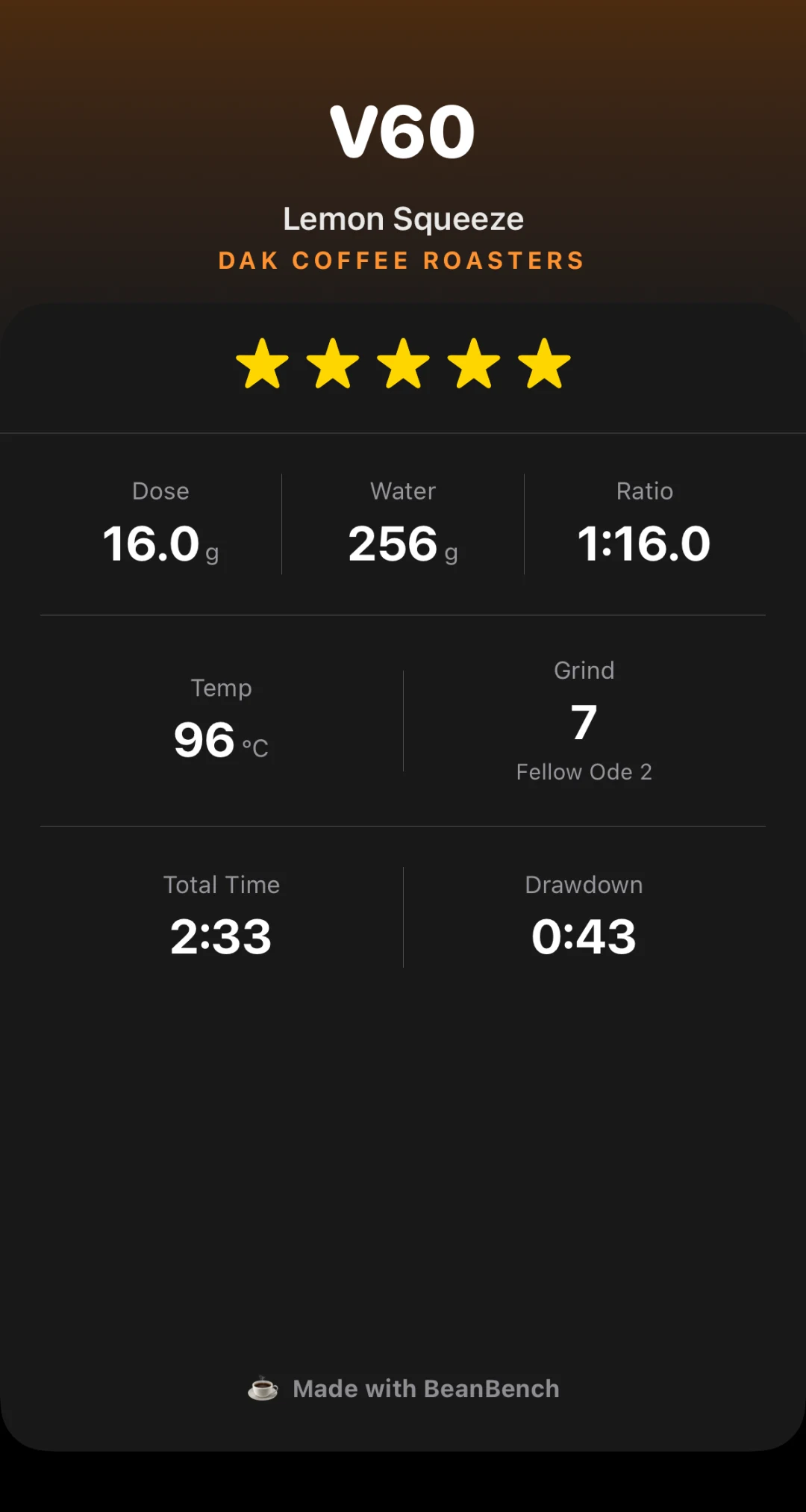
Every cup was a V60 on our house recipe: 16 g of coffee to 256 g of water (1:16), 96 °C, grind 7 on the Fellow Ode Gen 2, finishing around 2:33 with a 43-second drawdown. The water temperature is the setting I would hold onto. A light roast grown this high wants the heat to bring the sweetness out; back the temperature off and the lemon tips toward sour.
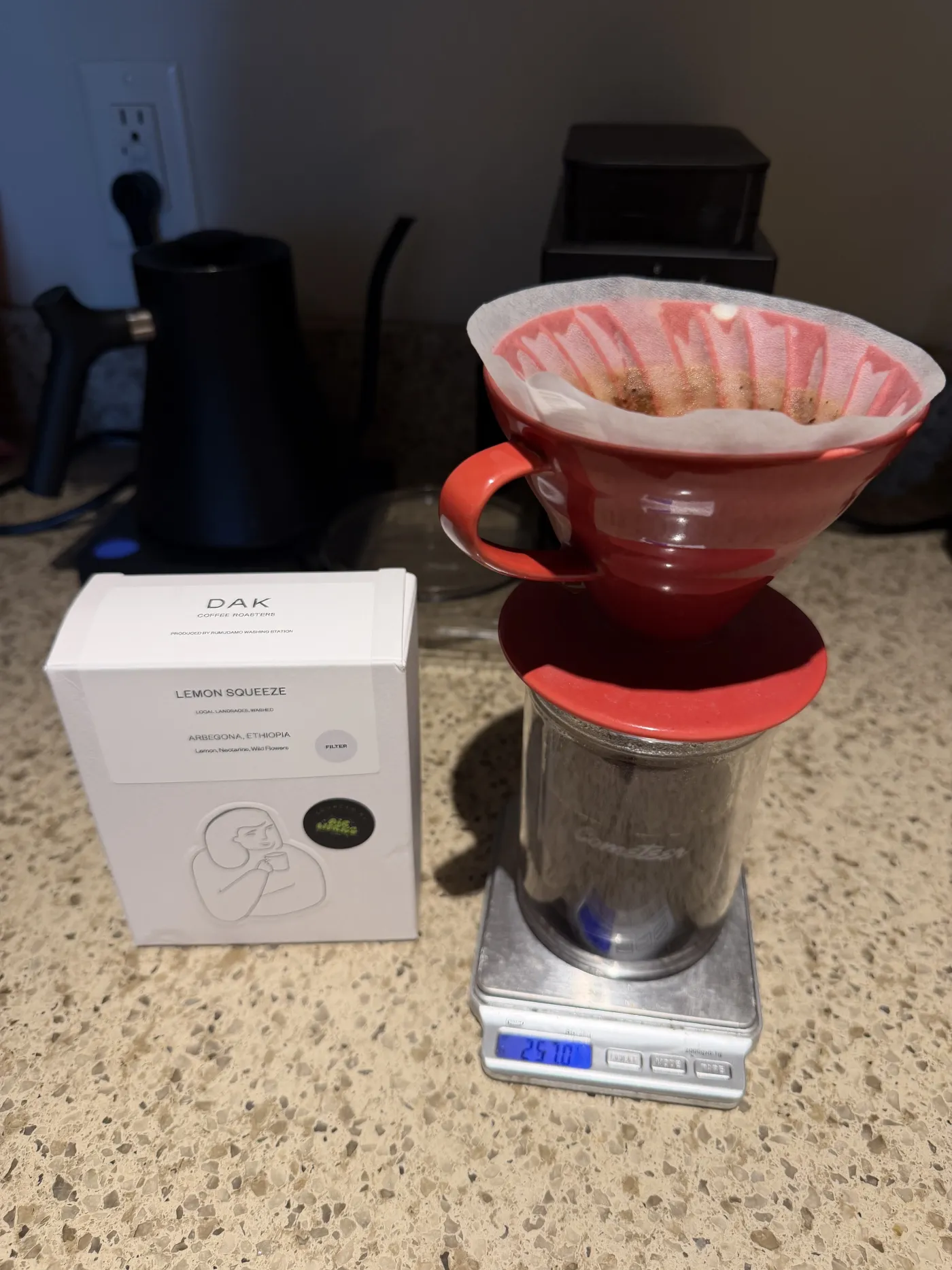
DAK recommends resting the coffee at least 14 days after roast. Mine hit its stride around three weeks off a June 25 roast, which fits how light, washed coffees tend to open up with a rest.
DAK’s lots rotate and sell out fast, so this exact bag may be gone by the time you read this, but their washed Ethiopians are a dependable place to start. If you want the other washed Ethiopian that came through Airworks, the Big Sur triple fermentation from Guji is a louder, more worked-over take on the same idea. The roasters, beans, and shops I keep going back to are on the Favorites page.